

Learn Korean!
- 경 (gyeong) means brilliance
- 복 (bok) means fortune
- 궁 (goong) means palace
- 왕 (wang) means king
Fun Facts
- The palace boasts a vast collection of historical relics, including ancient manuscripts, royal garments, and ceremonial objects, providing insights into Korea’s rich cultural heritage.
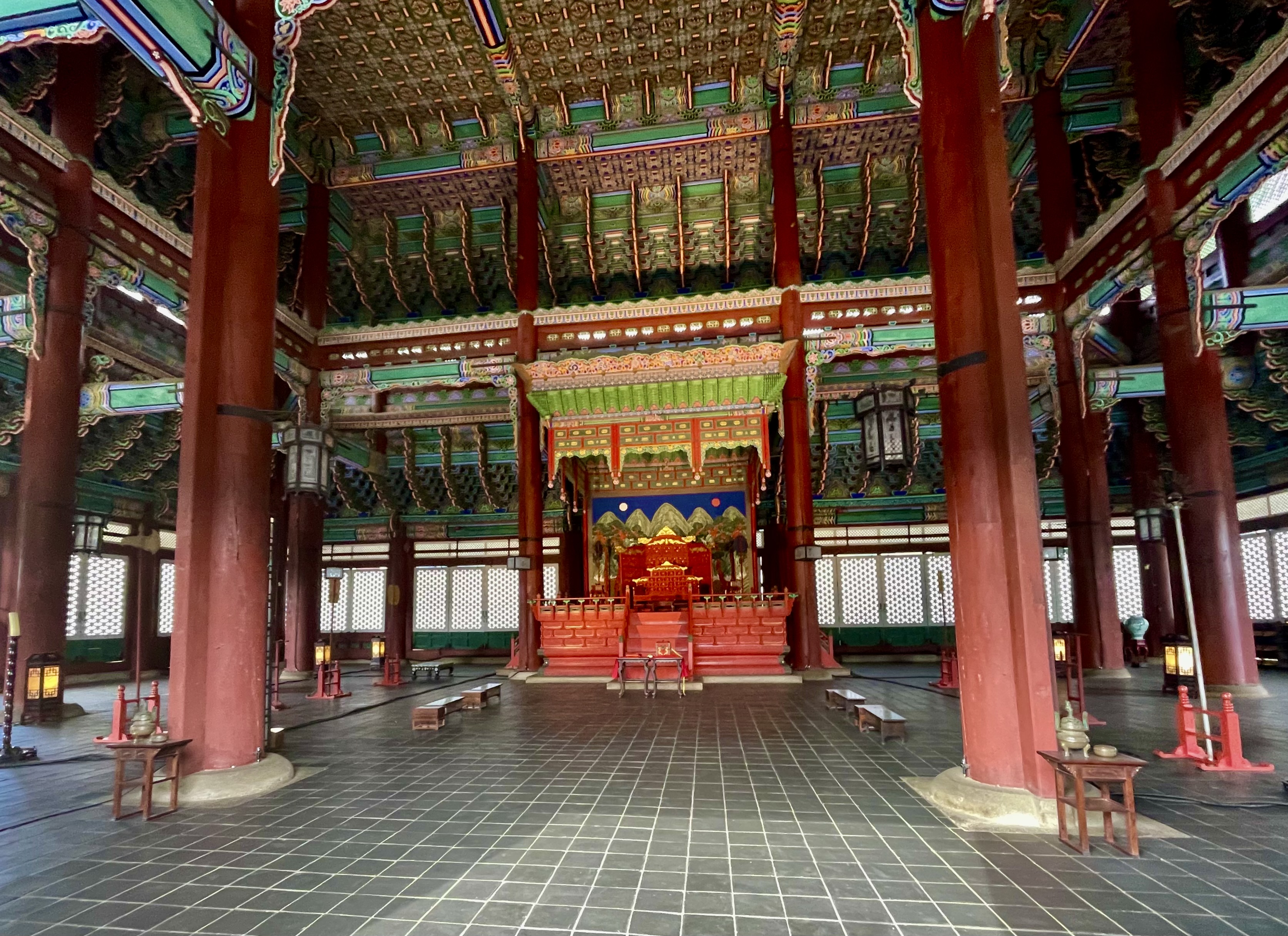
- The palace houses Geunjeongjeon Hall, the Imperial Throne Hall, designated as a National Treasure, which served as the primary royal audience chamber.
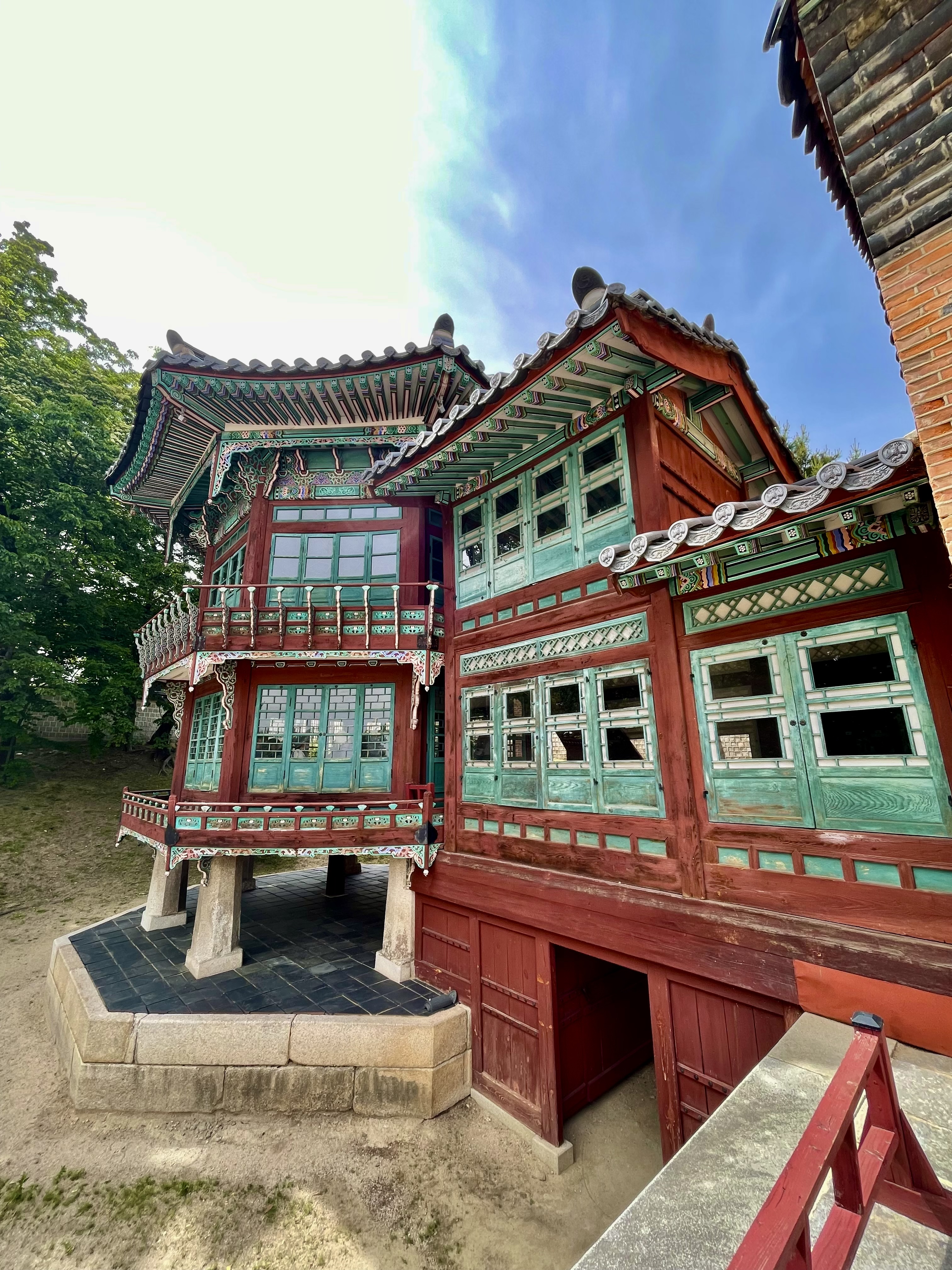
- Within the palace complex lie secret gardens like the Geoncheonggung Residence’s garden, offering peaceful retreats adorned with intricate landscapes and elegant pavilions.
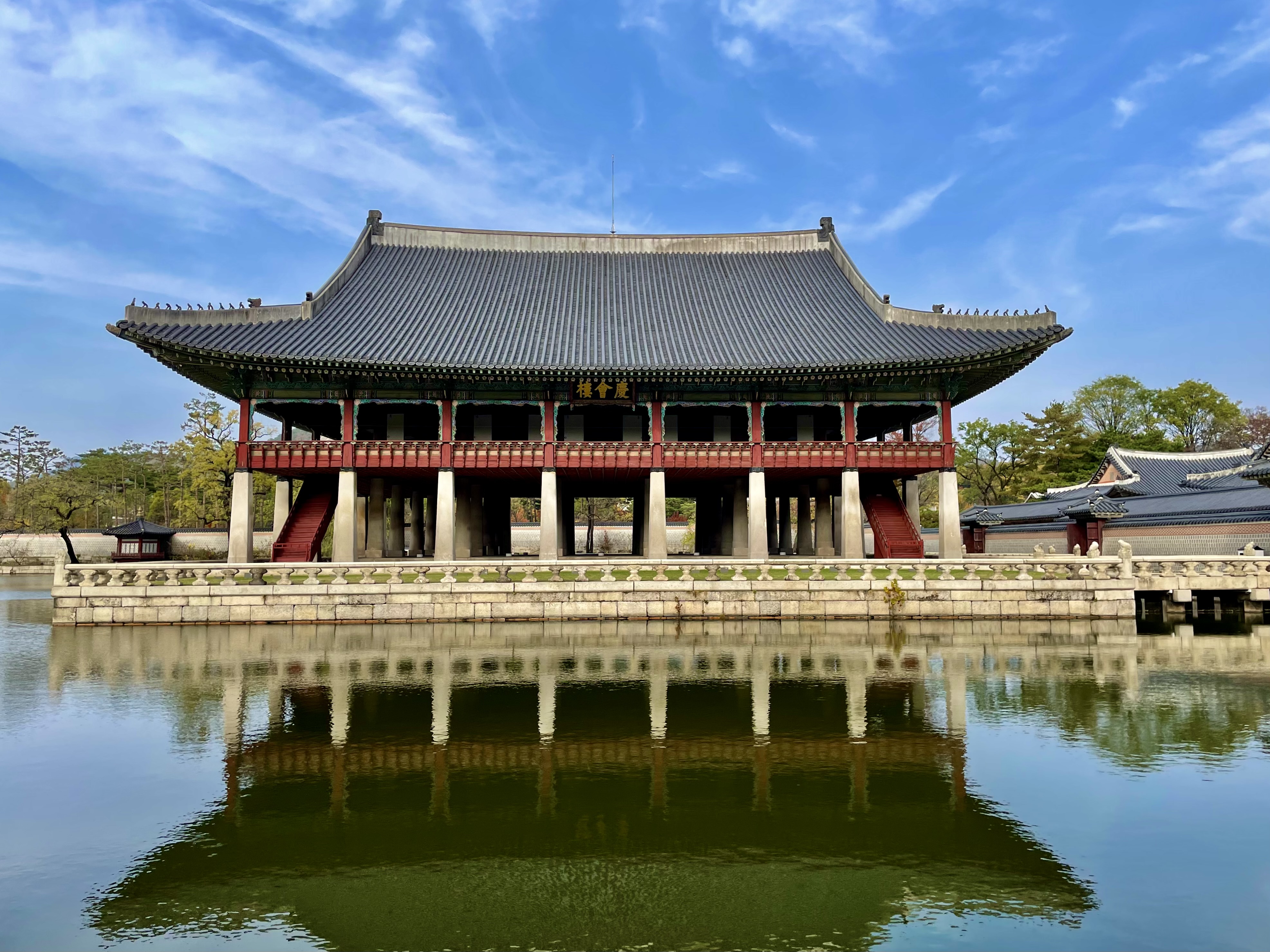
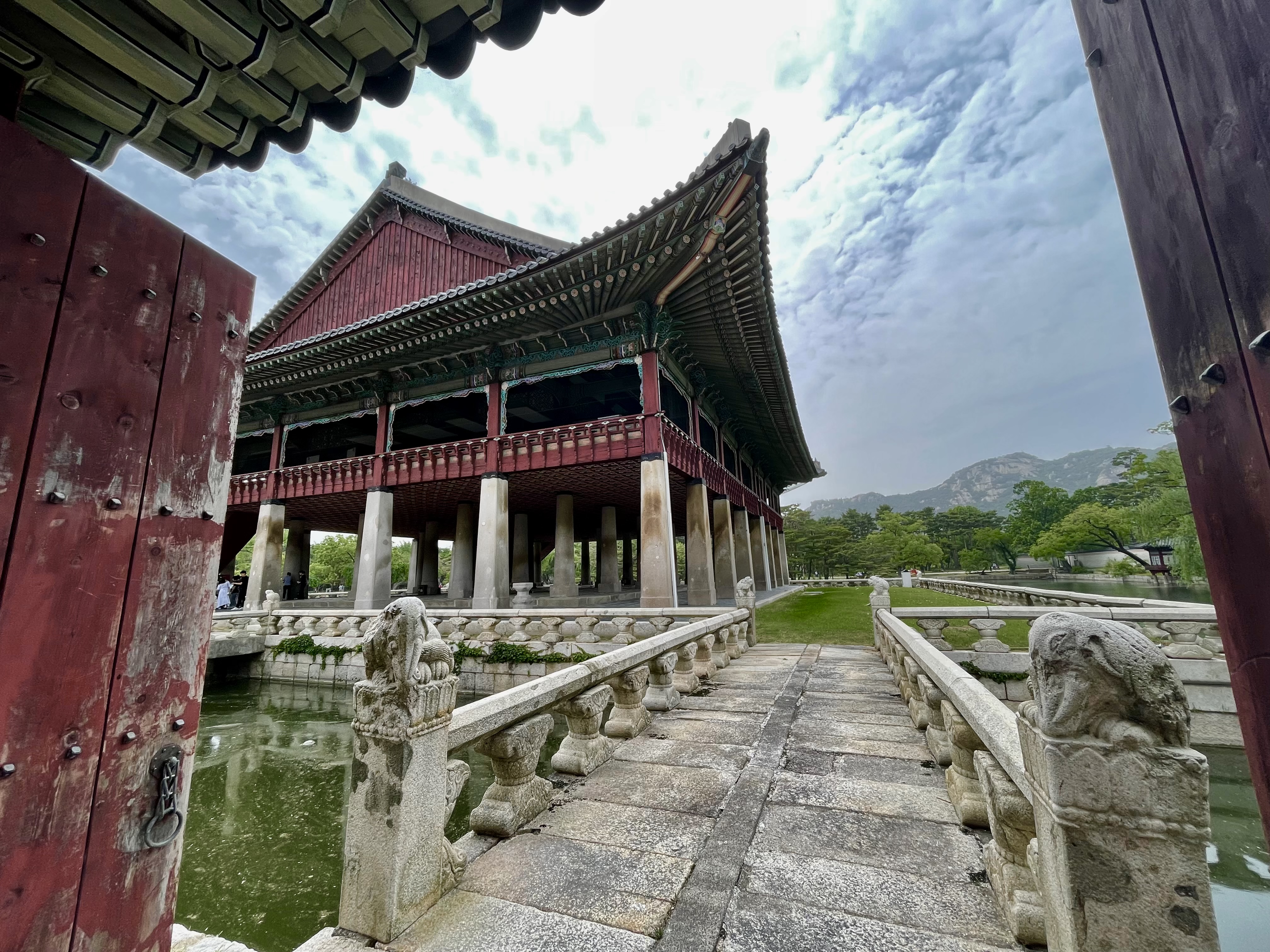
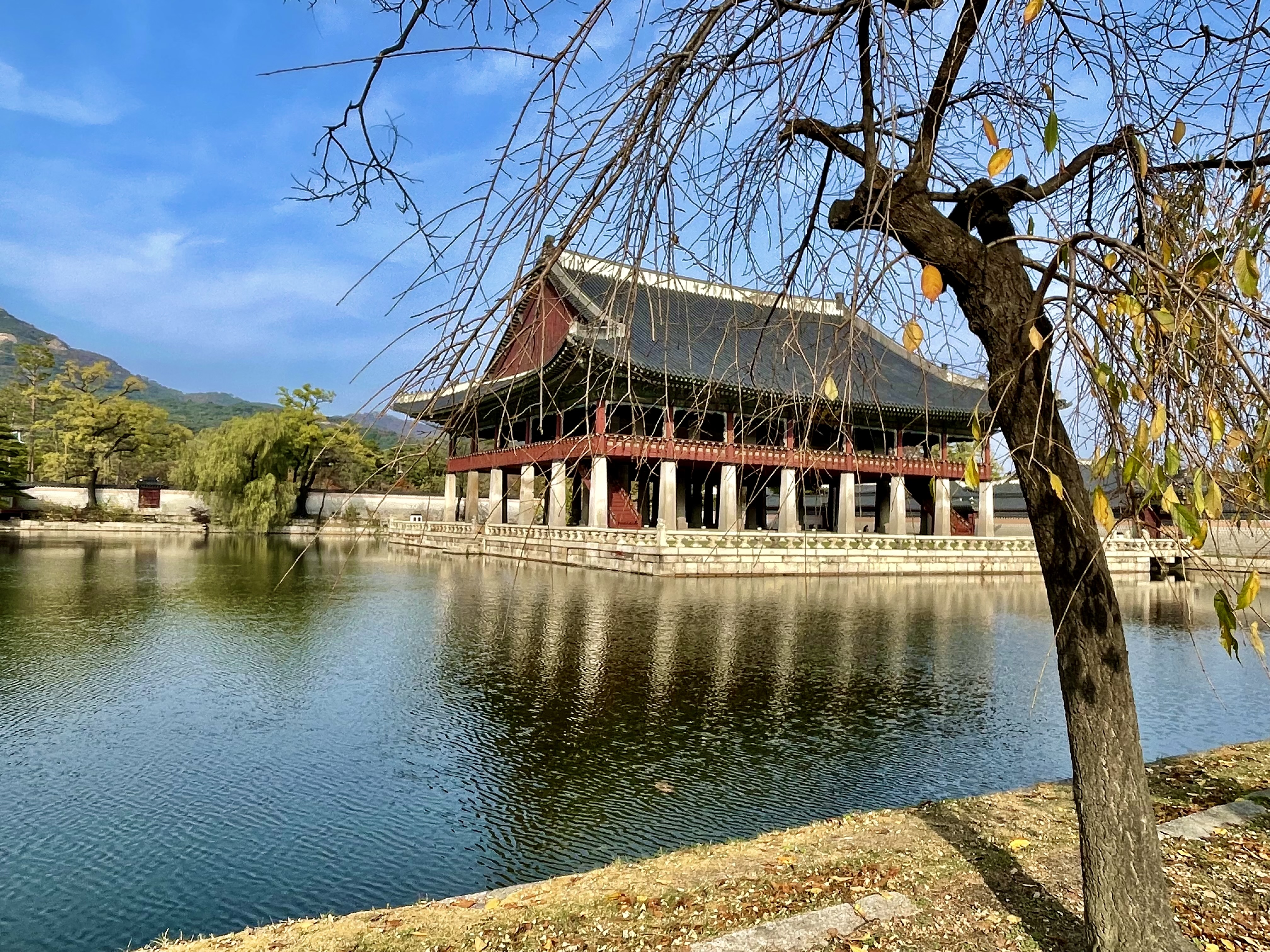
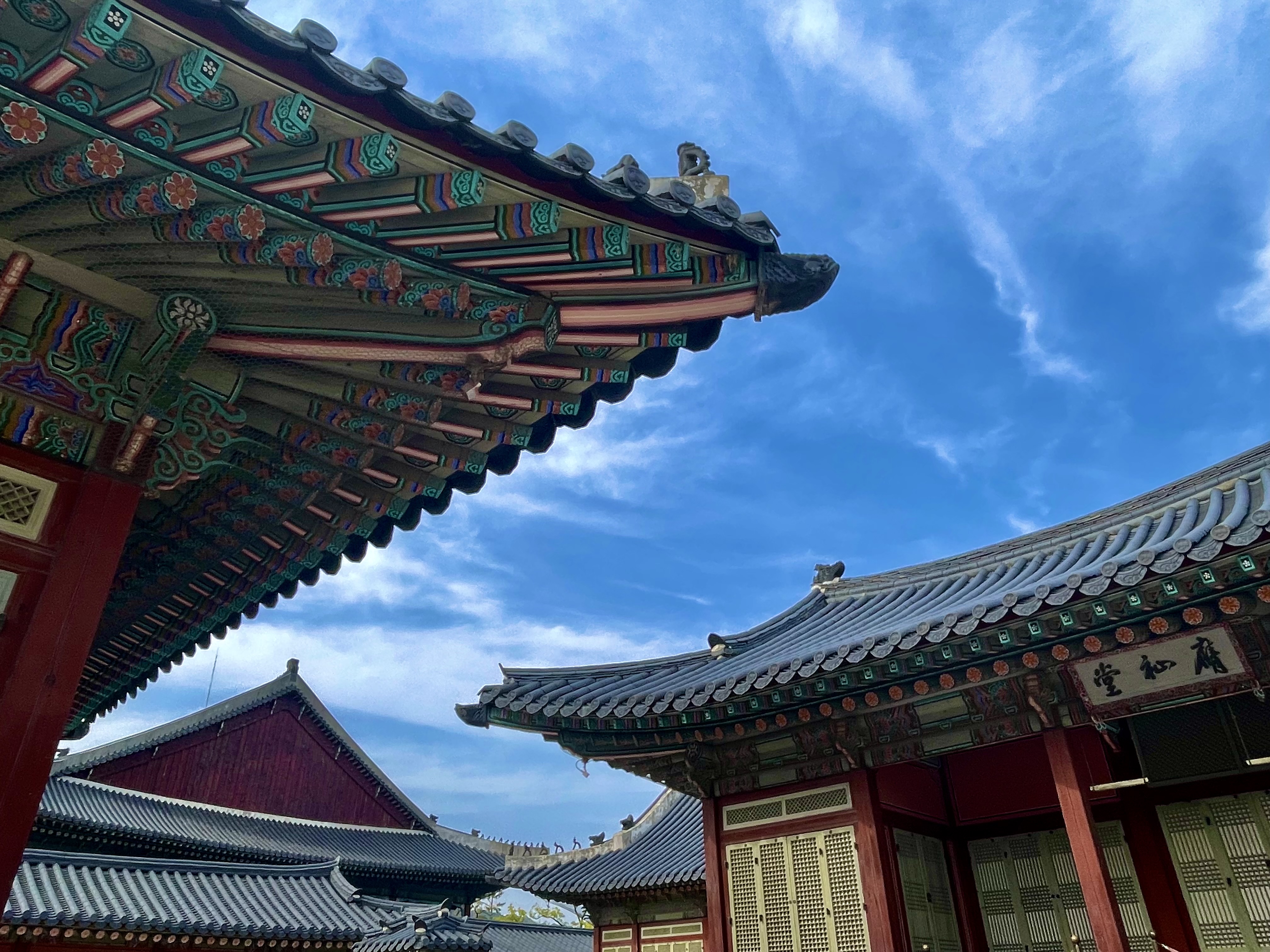
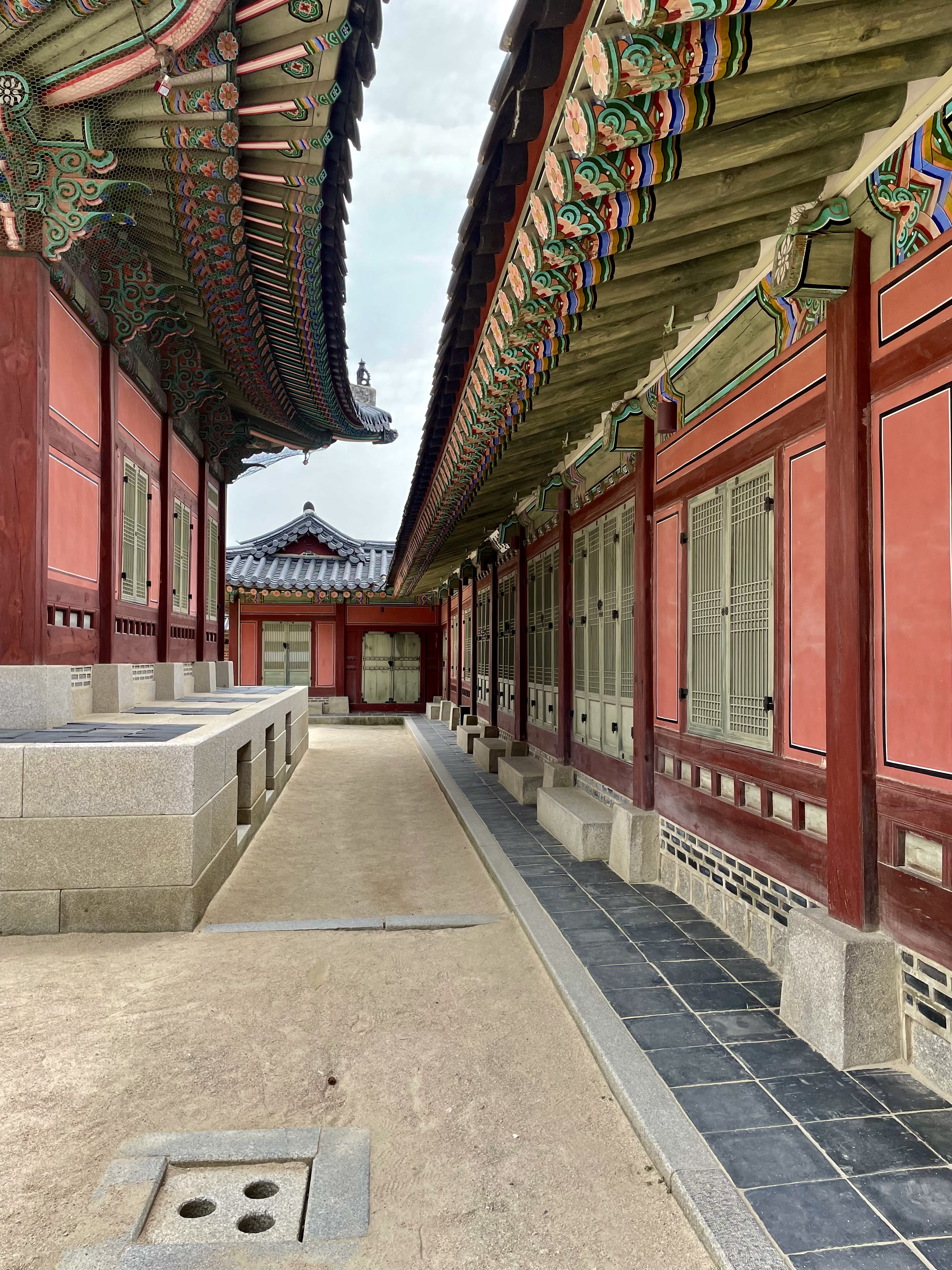
Gyeongbokgung, is Korea’s largest and most majestic palace. There are over 500 structures across almost 100 acres to explore, and it has undergone a turbulent history characterized by destruction and restoration. It was established in 1395 by King Taejo of the Joseon dynasty, and served as the nucleus of royal life until being ravaged by fire during the Imjin War. In the 19th century the palace was extensively rebuilt. Despite enduring damage during Japan’s colonial rule, it was recognized as a cultural property in 1963, sparking ongoing restoration efforts. Since the 1990s, initiatives have further aimed to revive its grandeur, including reconstructing key features like Heungnyemun Gate, Gwanghwamun Gate, and architectural treasures including the Gyeonghoeru Pavilion and Hyangwonjeong Pond. The palace grounds also house the National Palace Museum of Korea and the National Folk Museum of Korea, reflecting the nation’s rich cultural heritage. Symbolizing Korea’s sovereignty and cultural heritage, the palace represents the nation’s enduring spirit. Visitors from around the world come to marvel at its architectural beauty and to immerse themselves in its rich history. Gyeongbokgung continues to captivate and inspire, offering a glimpse into Korea’s storied past and its vibrant future.
Travel Tips
- Visit early in the morning to avoid crowds.
- Be prepared for a lot of walking. Wear comfortable shoes and bring water and snacks. With 500 structures and buildings to explore the grounds are extensive.
- Some of the stairs to the buildings are steep and uneven, and some stairs do not have railings. The buildings can be enjoyed without climbing all the stairs but if you choose to climb them, it may be helpful to have a set of walking sticks.
Address
English: 161, Sajik-ro, Jongno-gu, Seoul
Hangeul: 서울특별시 종로구 사직로 161
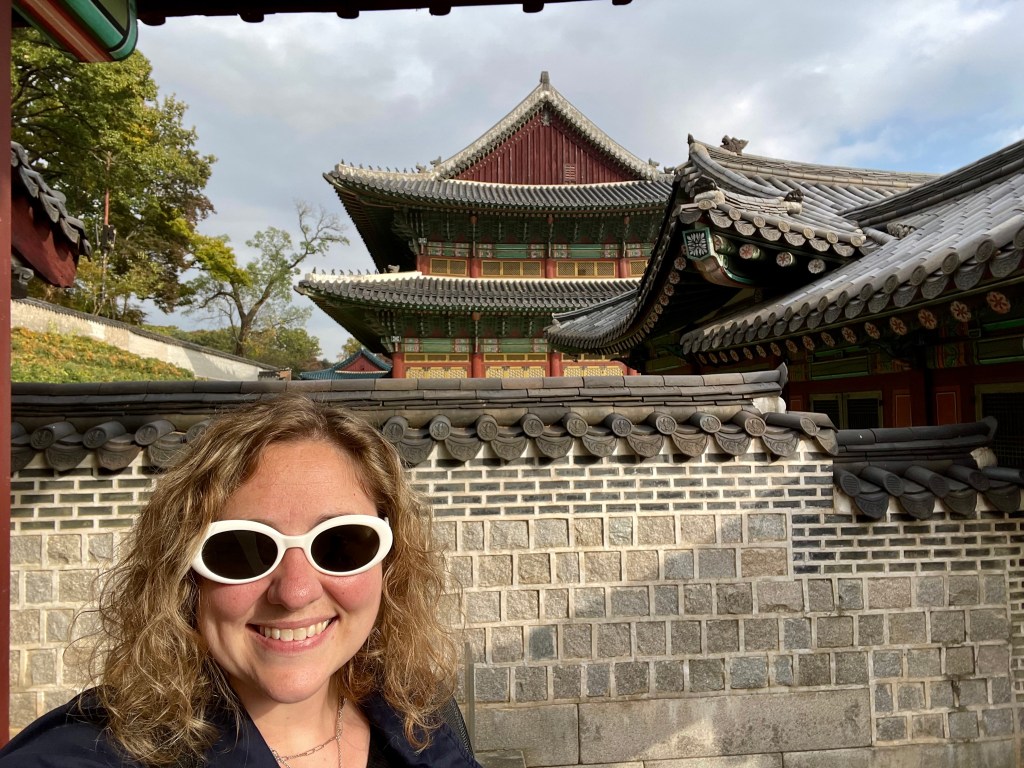
We had the incredible opportunity to visit the Jibokjae royal library, located inside of the palace, which is occasionally opened to the public. After removing our shoes, we slipped into a pair of the provided slippers, and stepped back into history. This building served as the King’s private study and stands as one of the oldest libraries in Seoul. My favorite building in the palace is Gyeonghoeru, the two-story pavilion situated on the pond west of the main hall. We walked all the way around the pond, snapping photos of the building from every angle, and then rested on one of the nearby benches to enjoy the view.
Gyeongbokgung is my favorite of the palaces. It is beautiful at all times of the year, has lovely ponds and interesting buildings to explore. It can be crowded during peak seasons but the grounds are so extensive that you can always find a quiet place to sit, relax and meditate on the history of this beautiful country. On our first visit to Seoul this was the first palace we toured. We did this on our first day and I was overwhelmed with emotion as I realized after all of our planning “wow! we are finally here”. I love this place and am so happy that it was restored to its current beauty.








 Plane 'n' Suite
Leave a comment