
Learn Korean!
- 북 (buk) means North
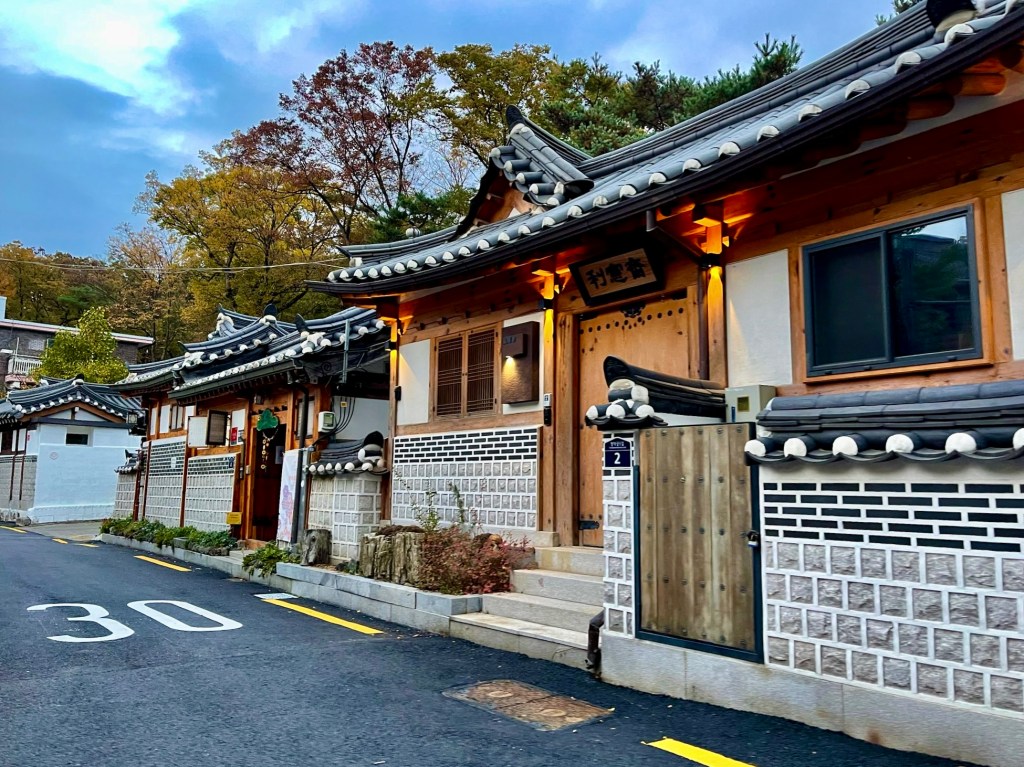
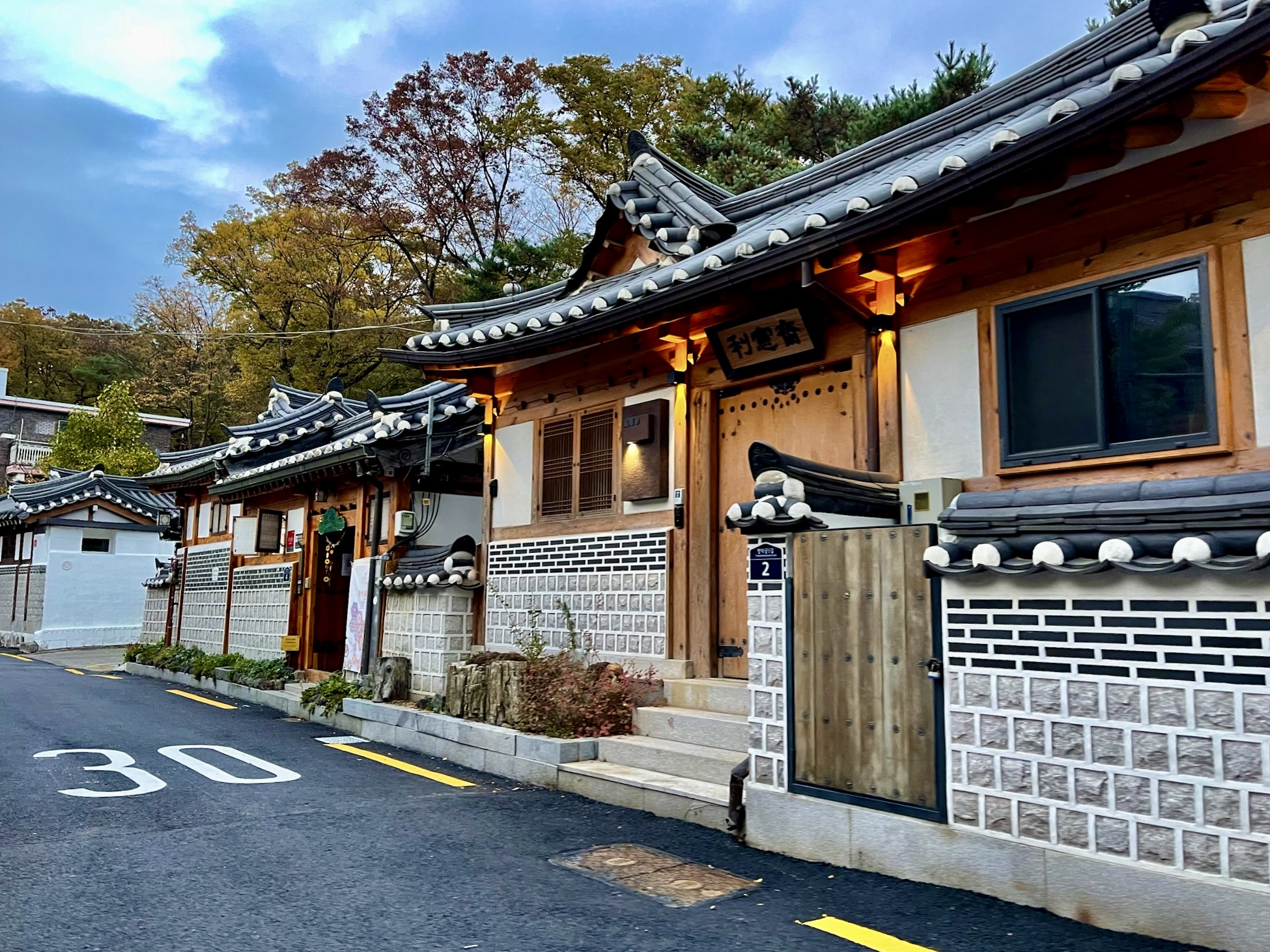
- 한옥 (han-ok) – is a type of traditional Korean House
- 마을 (ma- eul) means village or neighborhood
Fun Facts
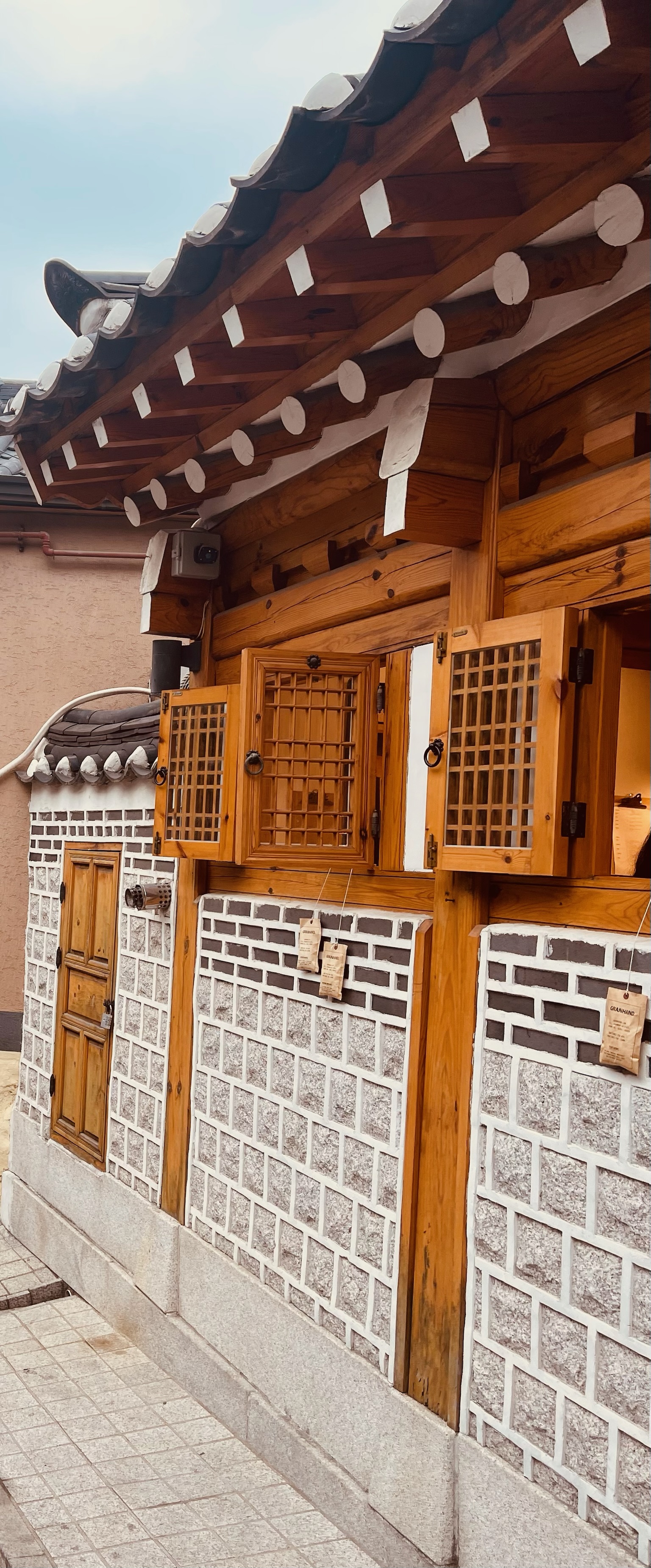
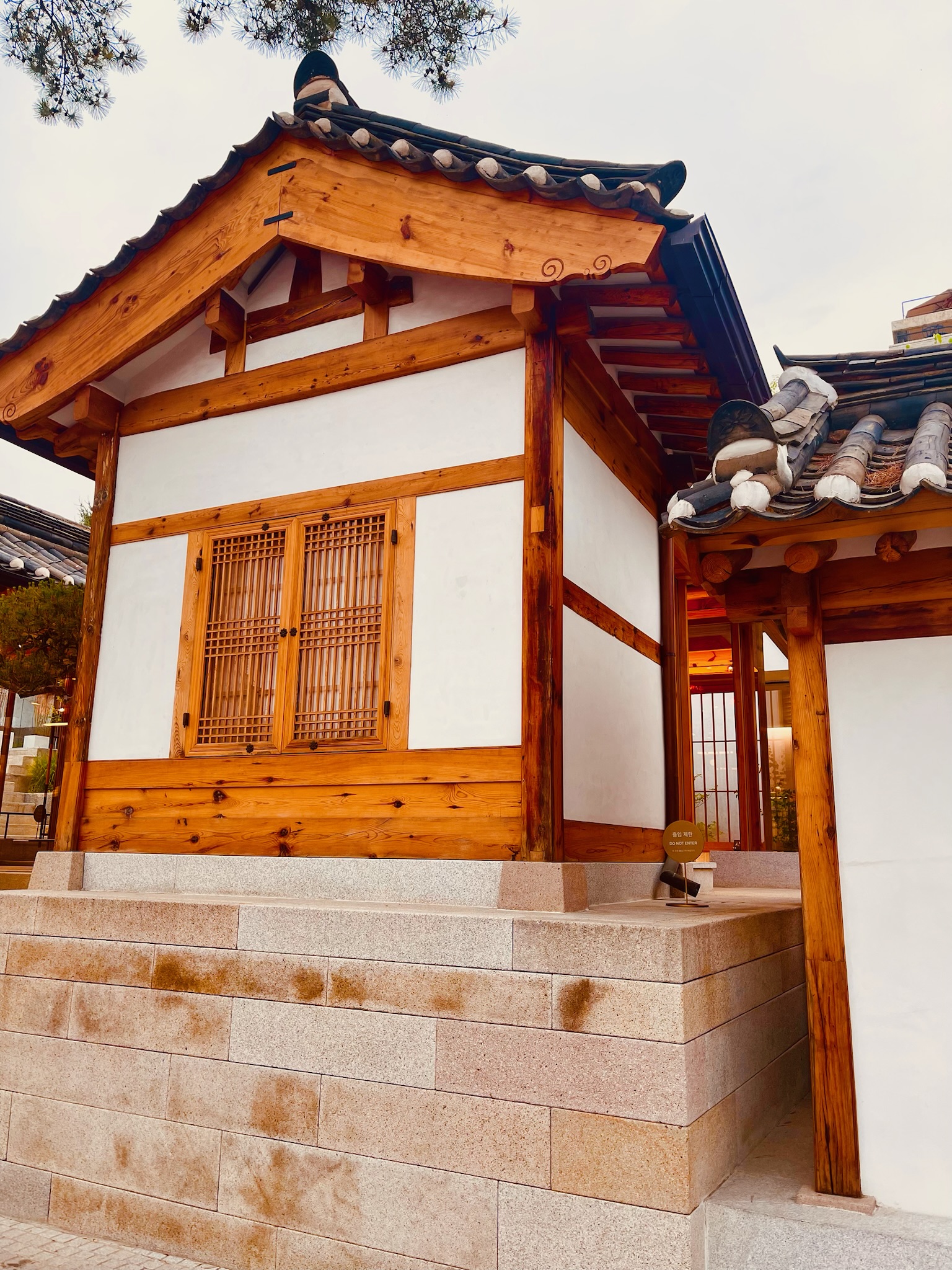
- Hanok homes and buildings are characterized by their use of natural materials such as Korean red pine wood, clay, and stone, along with traditional features like hanji-covered windows and maru raised wooden flooring, providing an example of ancient Korean architectural techniques.
- Visitors to Bukchon Hanok Village can experience more than just historical buildings; they can engage in traditional activities like tea ceremonies, explore art galleries, and even stay in guesthouses converted from Hanok homes.
- The village was recognized as a UNESCO site in 2009.
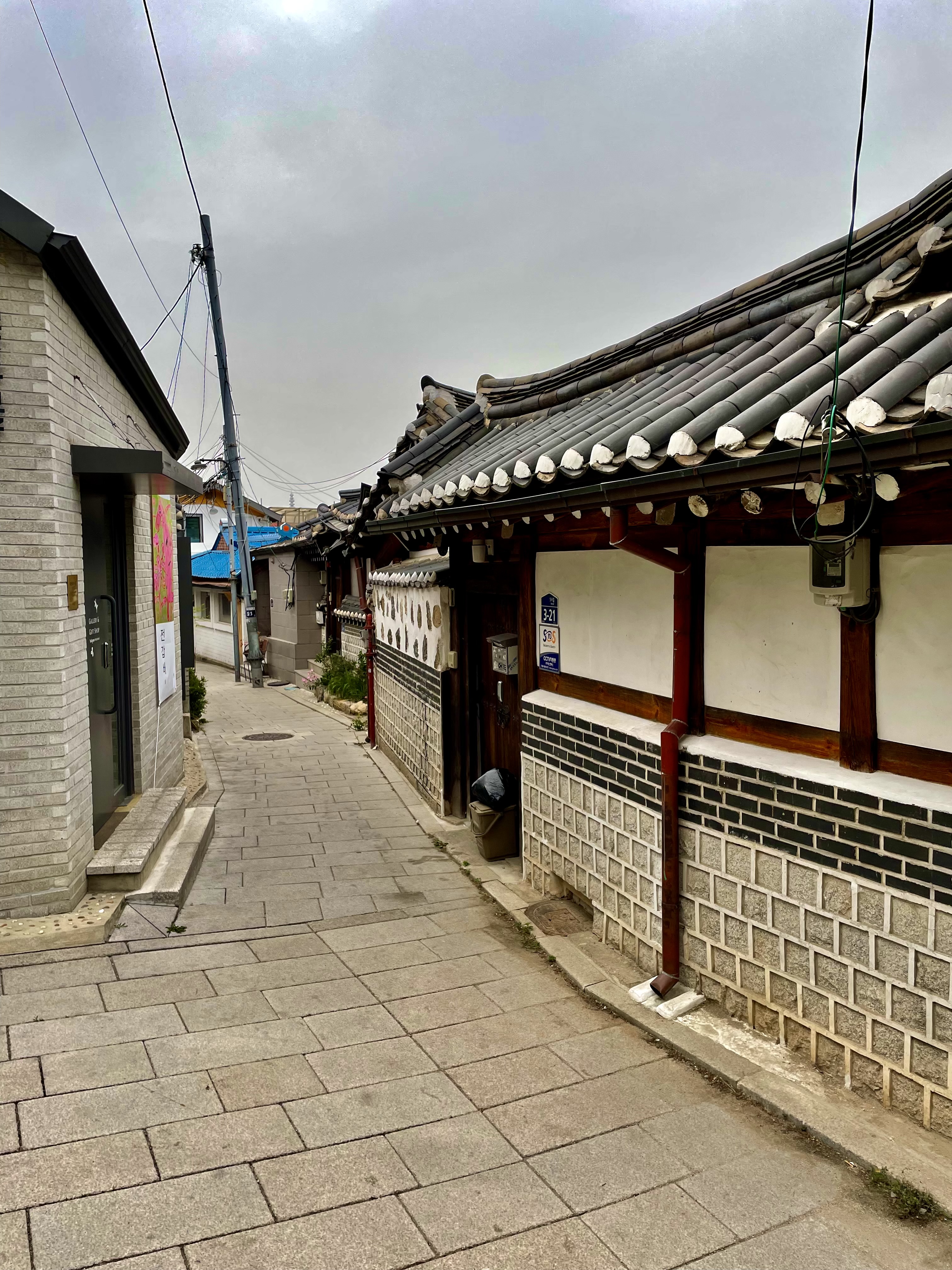
Bukchon Hanok Village is located between Gyeongbokgung and Changdeokgung palaces. This residential neighborhood has become a tourist destination due to its unique beauty. There are 5 distinct sections which allow visitors to journey back in time to the Joseon Dynasty era. The village is made up of Korean folk homes known as Hanok, some of which are over 600 years old. There are many photo opportunities along the way as you wander through uphill streets and winding alleyways, often surrounded by people dressed in traditional Korean hanboks. Originally, the area served as the residential quarters for aristocrats and high-ranking officials, and reflects Seoul’s rich history and architectural heritage. Despite South Korea’s modernization, efforts to preserve and revive these historic landmarks have turned many Hanoks into cultural centers, guesthouses, and traditional workshops, which offer visitors a chance to immerse themselves in Korean history. There are over 900 traditional Korean houses, serving as a reminder of Seoul’s past, and giving insight into the lifestyle and customs of the Joseon period. For travelers seeking an authentic taste of Korea’s history, Bukchon Hanok Village is a must-visit destination.
Travel Tips
- Visit on a weekday to avoid the crowds and be respectful that these are homes where people currently are living. Do not loiter and do not speak loudly as you walk through the neighborhoods.
- Be sure to visit some of the shops, cafes and especially the traditional tea houses.
- The streets in this area are especially hilly with lots of stairs and steep uphill climbs. There are no public restrooms and no trash cans along the streets so prepare accordingly.
Address
English: 37, Gyedong-gil, Jongno-gu, Seoul
Hangeul: 서울특별시 종로구 계동길 37

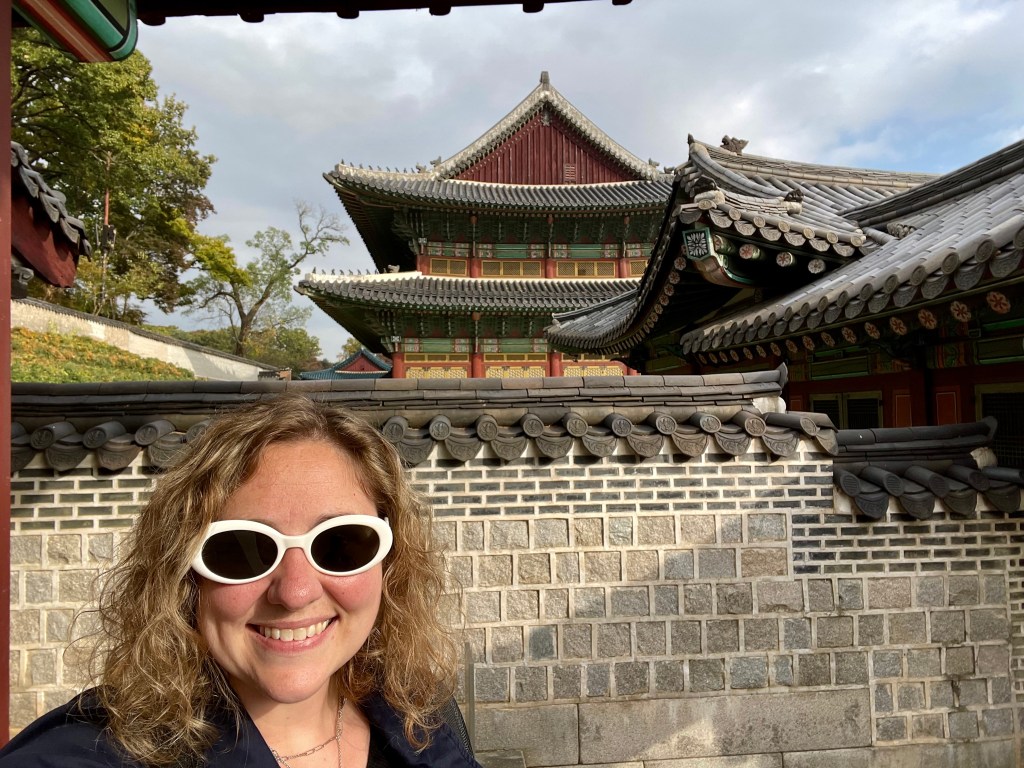
It was later in the evening after a long day of walking when we visited Bukchon. We climbed the stairs from Samcheong-ro and then walked just a few streets. The hills can be pretty steep and even the downhill walking can be challenging at the end of a long day. Just a few blocks will lead you to the Insadong area which is lively during the evening. There are lots of beautiful views and great places to take photos of the traditional buildings along the way. I definitely want to return. On our next visit we will plan to stop by ChaTeul or O’Sulloc tea houses/shops and perhaps even a visit to the Sulwhasoo Shop/Spa – a definite bucket list item!
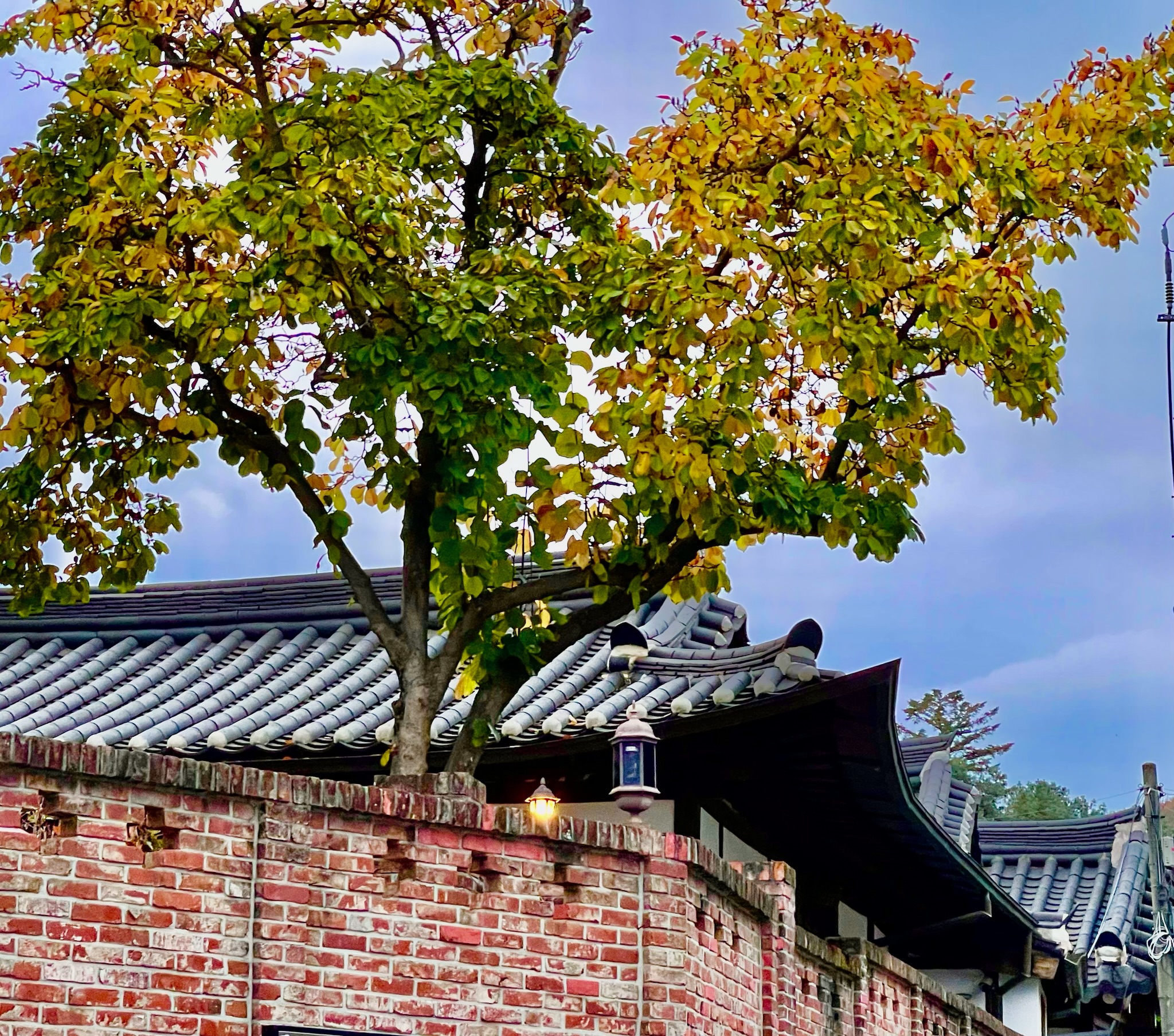
It’s so cool to think that 600 years ago these are the same streets where aristocrats, government officials, and even royals walked and lived. After a very long day of walking, the hills were a killer! The area is rich with restaurants, cafes, and tea houses so there are plenty of places to take a break and enjoy the opportunity to go inside a traditional Hanok. Getting lost is a part of the experience, but the next time we go I plan on downloading a map so we can find the famous 8 photo stops within the village.




 Plane 'n' Suite
Leave a comment